Flags
On RNLI-patrolled UK beaches, swim and bodyboard between red and yellow flags; surf and use craft between black and white chequered flags. A red flag means no entry. Other countries use similar systems; ask the lifeguard.
Beaches
A beach can be perfect at low tide and dangerous at high. It can have a lifeguard in August and nobody in October. These guides cover the boring details that decide whether your session is fun or a rescue.

On RNLI-patrolled UK beaches, swim and bodyboard between red and yellow flags; surf and use craft between black and white chequered flags. A red flag means no entry. Other countries use similar systems; ask the lifeguard.
Look for darker, calmer channels between breaking waves. If caught, don't fight it. Float, raise a hand, and swim parallel to the beach once the pull eases. Keep hold of your board; it floats.
Many beaches have a tidal sweet spot. Check local tide tables and note whether the beach disappears at high tide, cutting off your exit near cliffs.
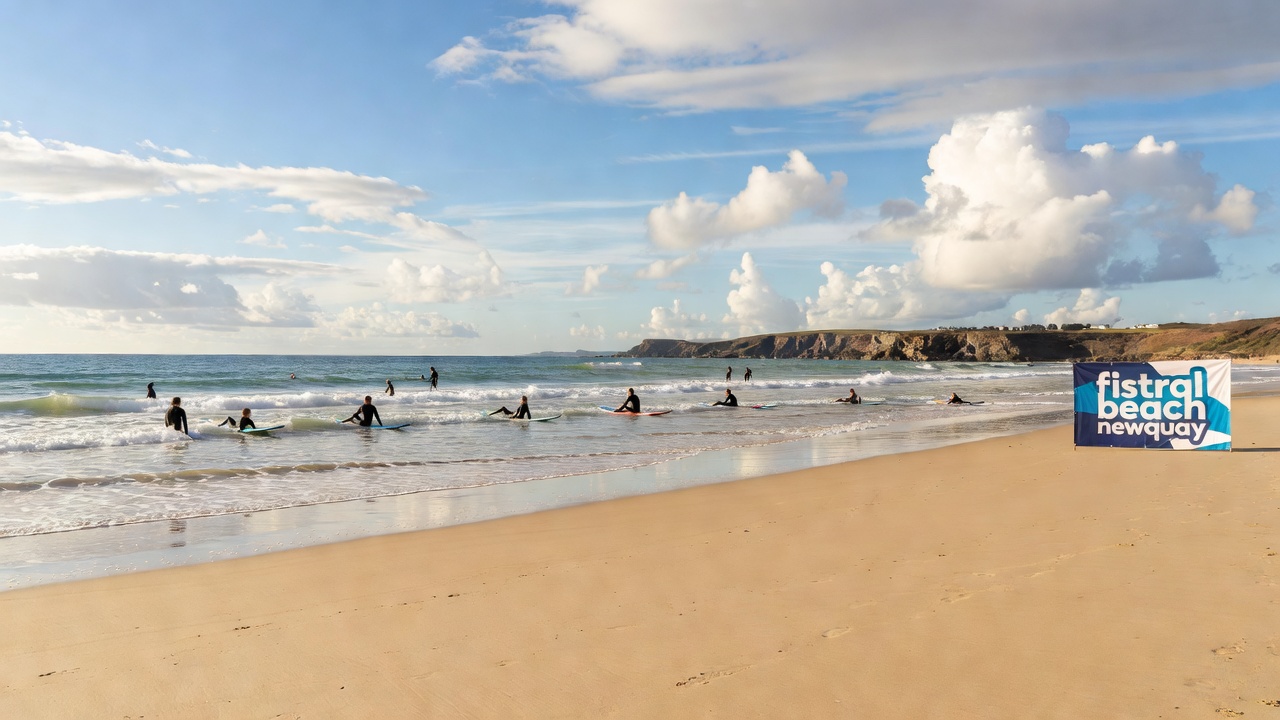
Best around mid tide. North Fistral gets crowded; South Fistral is often a touch smaller. Walk from town in 15 minutes and skip the parking queue in August.
Near Carrapateira on the protected west coast. Several surf schools, wide peaks, and a strong rip near the rocks at the south end.
The sheltered bay holds small, friendly waves when the rest of the coast is huge. Arrive before 9 am in summer for parking.

Long, consistent beach break. Mid to high tide is softer for learners. Bring cash for guarded parking.
Central and easy to reach. Rips form between the sandbars on bigger days; watch for a few sets first.
A small cove reached by roughly 150 steps. Friendly waves away from Zicatela's power.
Sand bottom, soft waves, endless board rentals. Busy, but the safest learning spot on the island.
Best November to April. Gentle sandy peaks in the bay; tuk-tuks from Mirissa take ten minutes.
Raglan's patrolled beach. Use it while the points further round are for the experienced crew.
Park where locals park, never on village access roads, and never leave valuables visible. Change discreetly. Take your rubbish home, including wax wrappers. In the water, the surfer closest to the peak has priority; don't drop in, and don't paddle through the middle of the lineup.
Read the trip FAQ